The Rosette Has Landed: Notes from a First-Timer at the Village Show
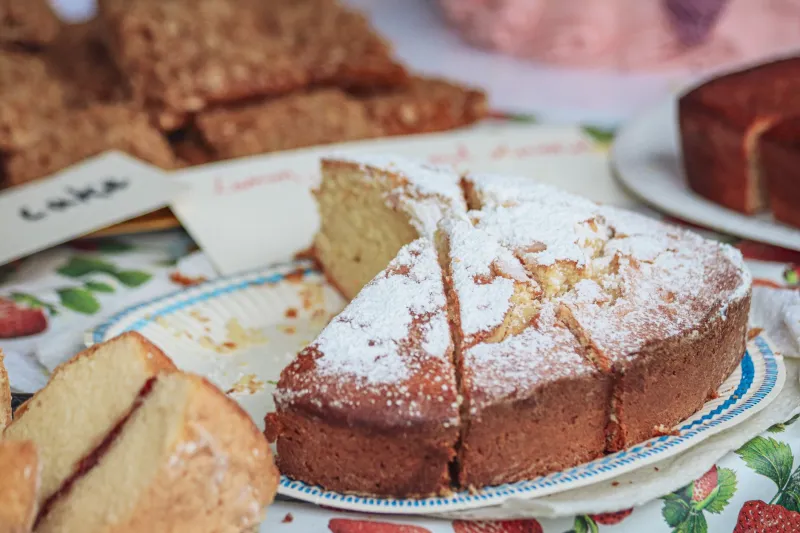
The marquee smelled of cut grass, vinegar and warm sponge. Outside, a steward in a fleece was directing traffic with the calm authority of someone who has seen a Nissan Micra reverse into a produce tent before. Inside, a long table held sixteen jars of jam, each with a little paper label, each silently convinced it was the best. This was a 2026 village show, and I had come to understand why a single rosette can turn a quiet neighbour into a local legend.
Village shows are not twee relics. They are live, slightly tense, deeply social competitions where the stakes are low and the emotional investment is enormous. The 2026 season has just wrapped up across the UK — the bunting is back in the box, the prize cards are in a drawer — but the rituals are worth revisiting. Whether you are plotting a comeback for next year or simply curious about the mysterious art of entering a cabbage, here is what I learned behind the scenes.
The 7am Trestle-Table Economy
Before the public arrives, the village hall committee performs a small miracle of logistics. Tables appear. Entry cards are arranged. Somebody produces a roll of raffle tickets from a carrier bag that has clearly been in service since the last jubilee. Volunteers move between categories with the focus of air-traffic controllers, and everyone keeps saying, “We’re not usually this disorganised,” which is both true and completely untrue.
The entry system is beautifully simple: you bring your thing, you put it on the right table, and you do not argue with the schedule. The schedule is the law. It will tell you that a cucumber must be straight, that a Victoria sponge should be sandwiched with jam and cream, and that “a vase of mixed garden Flowers” means exactly that — not a begonia you found at the garden centre on the way in.
My favourite table was the vegetables. There were onions lined up like tiny parish councillors, runner beans arranged with military precision, and one marrow so glossy it looked as if it had been buffed by a professional. A fellow first-timer whispered, “Is it supposed to be that perfect?” A steward overheard and said, “It’s supposed to be edible. Perfect is a bonus.”
Judging: A Masterclass in Polite Forensics
When the judge arrived, the marquee went quiet in a way that suggested everyone was pretending not to watch. The judge carried a clipboard and a small notebook and moved along the tables with the demeanour of a detective who has seen too many imperfect tomatoes. There was no dramatic pointing. No gasps. Just small, decisive nods and the occasional scribble.
The comments are where the real drama lives. Village show judges are masters of the backhanded compliment. “Good uniformity, slight coarseness to the skin.” “Pleasing crumb, but the filling has migrated.” “Well presented, though the top is a little shy.” I watched a woman receive a second-place card for her marmalade and then examine it as though it were a parking ticket. Her friend patted her arm and said, “It’s the shred thickness, love. He’s always fussy about shred thickness.”
It would be easy to mock this, but the judging is not arbitrary. It is a genuine transfer of knowledge. The judge explained, to a small semicircle, why a loaf had been marked down for an uneven crumb and why a jar of chutney had been praised for its “good bite.” People nodded. Some took notes. One man in a flat cap looked personally vindicated.
The Tea Tent Is the Real Competition
The produce tent is where reputations are made, but the tea tent is where they are discussed. This is the social engine of the whole operation: urn, milk jug, a tray of cakes that cost a pound and come with a raffle ticket. The queue is long, the conversation is longer, and nobody is in a hurry.
Here you will hear the true result of the show. “Did you see the size of his leeks?” “She’s won the sponge again — I think the judge has a sweet tooth.” “They ran out of entry cards by ten, so half the village is in a mood.” It is gossip, but of a gentle, renewable kind. Nobody is cancelled over a carrot. They are simply reminded of it next year.
I sat next to a woman who had entered a photograph of a heron and come third. She was thrilled. “I’ve been trying for four years,” she said. “Last time the judge wrote ‘nice bird, poor framing.’ This time he wrote ‘better bird, better framing.’ I’m framing the comment.” That, I think, is the spirit.
How to Enter Without Causing a Scene
If you fancy having a go next season, the rules are mostly about paying attention. Read the schedule properly. Stage your entry exactly as asked — no extra garnish, no clever plate, no “artistic” arrangement unless the category specifically requests it. Label everything. Bring your own small change for entries and tea. And for goodness’ sake, do not polish a marrow. A little bloom is character.
Volunteer if you can. The people running the show are not mysterious gatekeepers; they are the same neighbours who will lend you a ladder in October. Offer to help set up, sell raffle tickets or wash up. You will learn more about the categories in one morning than in three years of browsing.
And if you lose? Lose politely. Congratulate the winner. Read the judge’s comments with an open mind. Remember that second place in a village show is still a rosette, and a rosette is still a rosette. It looks excellent on a fridge.
Why a Marrow Still Matters
In 2026, most of our competitions happen online, in public, and with a scoreboard. The village show is the opposite. It is local, slightly awkward and gloriously analogue. You cannot refresh the results. You have to wait for a person with a clipboard to pin a card to your entry. You have to talk to your neighbours. You have to accept that the best cucumber in the parish might not be yours.
That is why it still works. It gives a street a shared story and a calendar date that is not about shopping or scrolling. It makes room for expertise and eccentricity — the person who grows giant onions, the child who enters a painted pebble, the woman who has won the jam class for eleven years and is now considered a local institution.
So next summer, when the bunting goes up and the trestle tables come out, consider entering something. A jar, a cake, a wonky carrot. You might not win. But you will spend the morning in a marquee with your neighbours, holding a cup of tea, watching a stranger judge a marrow with tremendous seriousness. That is not a small thing. That is the whole point.