The Sign Is Half the Destination: Britain’s Odd Place Names, Explained Without Ruining the Joke
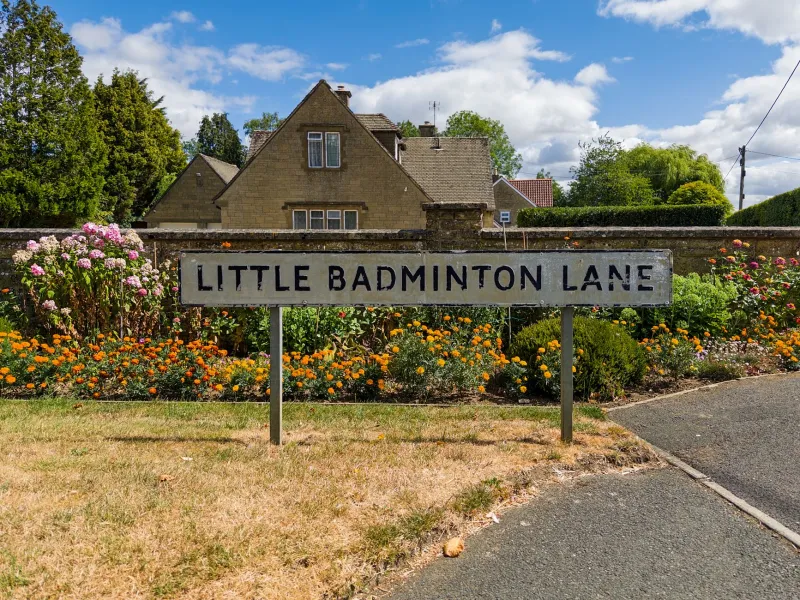
There is a particular British pleasure in rounding a bend and being greeted by a sign that makes the car go quiet, then giggly. Great Snoring. Pratts Bottom. Nether Wallop. Crackpot. These are not Punch and Judy names invented for a coach tour; they are real places with real postcodes, real bin days and, in several cases, a village hall committee that would rather you did not climb the sign for a selfie.
In 2026, when every route is flattened into a blue line on a phone, the odd place name is still a tiny bit of theatre. It interrupts the journey. It gives the group chat something to do. But it also asks a question: can you enjoy the joke without making the place itself the punchline?
Why a Silly Name Still Matters
Place names are local history in a hurry. They carry old words for valleys, streams, hills and farmsteads, plus the fingerprints of Norse settlers, Norman landlords and centuries of spelling drift. “Bottom”, for instance, is not a schoolboy joke in most of the places that use it; it is an old dialect word for a valley or low ground. “Wallop” is thought to come from Old English terms for a stream or a valley, which makes Nether Wallop sound less like a food fight and more like a very damp bit of Hampshire.
That is the useful thing to remember: the name is often stranger than the joke. Great Snoring in Norfolk appears in the Domesday Book and likely takes its name from an Old English stream or personal name, not from a medieval epidemic of afternoon naps. Crackpot in the Yorkshire Dales is usually linked to old words for a crevice or a crow’s haunt. Pratts Bottom, on the London-Kent border, pairs a family name with that valley word. The sign is funny; the history is ordinary, stubborn and rather lovely.
The Names That Do the Heavy Lifting
Great Snoring is the classic gateway name. It has the full package: a village sign, a church, a pub-ish hinterland and a name that makes people say “you’re joking” before they have even parked. Nearby Little Snoring completes the set, which feels almost greedy.
Pratts Bottom does the same for south-east London and Kent. It is a proper place with a village feel, and the sign is a reliable source of low-level chaos whenever someone discovers it. Nether Wallop, in Hampshire, has the advantage of sounding like a medieval insult and a rural idyll at once. Crackpot, in North Yorkshire, is a hamlet with a name that has been doing viral work since long before the internet.
Then there is Ugley in Essex, Lickey End in Worcestershire, Crapstone in Devon and Shitterton in Dorset. Shitterton is the one where the local story has become a warning: the sign was stolen so often that residents eventually raised money for a heavy stone version. That is not a licence to try harder. It is a hint that the joke has a cost, and the people who live there have heard it before.
The Rules of Sign Photography
If you are going to stop, stop properly. Use a lay-by, a car park or a wide verge. Do not stand in the road, block a farm gate, lean over a garden wall or treat a narrow lane like a studio. Many of these places are small enough that one careless car can turn a quiet morning into a traffic jam.
Ask before you photograph people, especially outside their homes. Do not move cones, open gates or climb on dry stone walls. And if there is a pub, shop or café open, the most polite thing you can do is spend a little money in it. Locals are generally happy to see a curious visitor; they are less thrilled by a convoy of cars treating the village green as a film set.
There is also the matter of the repeated joke. If you meet someone in Great Snoring, they have almost certainly been asked if they are “still snoring”. In Pratts Bottom, the permutations are endless. You do not have to pretend the name is not funny. Just do not make the person behind the post office counter carry the whole comedy routine on your behalf.
Pub Quiz Gold and Neighbourhood Pride
The odd place name is a staple of the British pub quiz: which county has a village called Ugley? What is the pair to Dull in Perthshire? For the record, Dull has been twinned with Boring in Oregon since 2012, which remains one of the great civic jokes of the modern age. These names are also a form of local flag-waving. They appear on mugs, tea towels, village hall calendars and the kind of postcard that is bought ironically and kept sincerely.
In 2026, that pride is worth noticing. A strange name can pull a small place into the spotlight, but the best villages use it gently: a welcome sign, a bit of merchandise, a summer fête with a name-based cake stall. The joke works best when it belongs to the people who actually live there.
A Sensible Way to Collect Them
You do not need a grand tour. Pick a cluster and give it time. Norfolk can offer Great Snoring and a hundred quieter lanes besides. Hampshire has Nether Wallop. Yorkshire has Crackpot and a landscape that deserves more than a drive-by. The London-Kent border has Pratts Bottom, and Essex has Ugley. Check opening times, check bus routes, and remember that a place name is not a destination in itself; it is an excuse to look around.
And if you only stop for the sign, stop well. Take the photo, have a laugh, then leave the village as you found it. The name will still be there in 2027, and so, with any luck, will the stone sign.