Patience in a Pot: What Britain’s Allotment Hopefuls Are Growing While They Wait
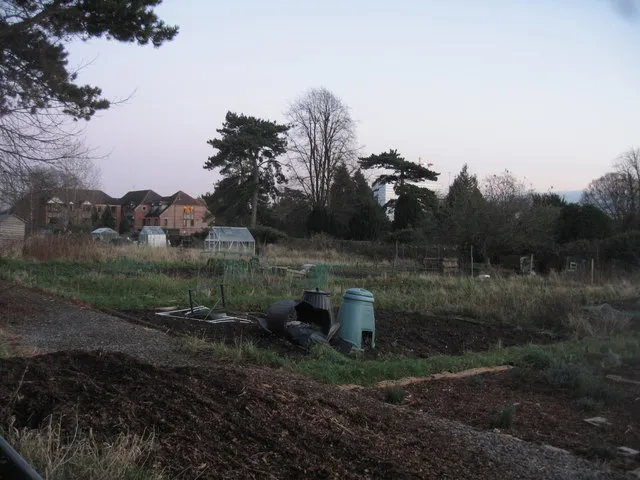
Photo: Sebastian Ballard, CC BY-SA 2.0, via Wikimedia Commons
The allotment waiting list is one of Britain’s great unsent love letters. You put your name down, you wait, and you start imagining a shed you do not yet own. In 2026, with gardens getting smaller and rents getting larger, that waiting list has become a social world in its own right. People are not simply queuing for land. They are swapping seeds, borrowing tools and learning the delicate politics of a committee they have never voted in.
The queue that became a club
I meet Priya on a wet Tuesday in Leeds. She has been on the list for two years and has turned a windowsill the size of a tea towel into a very serious operation. There are chillies, basil, spring onions and a yoghurt pot of something she calls “mystery beans” from a seed swap. “I started with a pot of mint,” she says. “Now I have opinions about compost.”
The waiting list email group is where it gets interesting. Someone offers surplus tomato seedlings. Someone else asks if anyone has a spare watering can. A third person mentions that the allotment association meeting has moved to the church hall and there will be biscuits. It is not a queue. It is a village that has not been built yet.
Windowsill ambitions
Tom in Sheffield has a backyard the size of a decent rug and a plan involving grow bags, a trellis and an optimistic lemon tree. “The lemon tree is a hostage to fortune,” he says. “But the runner beans are doing well. I talk to them. Not in a weird way. Just normal encouragement.”
He joined the local allotment society before he had a plot. That is the trick, he says. “You do not have to wait for a piece of land to turn up to a seed swap. You just have to turn up.” He has borrowed a hoe, a sieve and a book about potatoes. He has returned the hoe. The book is still out. “I am pacing myself.”
The shed politics start early
Even without a shed, there is shed politics. There is the question of who has the key to the communal water butt. There is the tea rota. There is the person who leaves a pile of bamboo canes by the gate with a note saying “free to a good home” and then watches from a distance to see who takes them.
Elaine in Bristol has a shared community plot while she waits. She describes the committee as “kind, efficient and slightly terrifying, like all the best committees”. The borrowed-tool economy runs on biscuits and returned secateurs. “If you borrow a spade, you return it clean,” she says. “That is the whole social contract. That and not taking the last of the good compost.”
Small acts of good company
What strikes me most is how often the waiting list turns into practical kindness. Someone with a car offers to collect manure. Someone with a spare cold frame gives it away. Someone who has grown too many courgettes becomes briefly unpopular, then forgiven.
Priya has started a WhatsApp group for people on her list. They share photos of seedlings, complain about slugs and organise the occasional walk around the site. “We are not allowed to plant anything yet,” she says. “But we can learn where the sun falls. We can learn who has the best raspberries.”
That is the quiet argument for patience. A plot is not just soil. It is a set of relationships. The people who wait together tend to grow together.
Practical things to do while you wait
- Join the allotment association now. Meetings, seed swaps and work days are open to hopefuls more often than you think. Ask the secretary.
- Ask about half plots. A smaller patch can come up sooner, and it is less daunting for a first grower.
- Volunteer on a community plot. You will learn the site, meet the committee and be first to hear about vacancies.
- Start small and edible. Herbs, salad leaves and chillies work on windowsills. Potatoes work in bags. Enthusiasm works in any direction.
- Use the tool library. Many areas have one. Borrow before you buy a shed’s worth of kit.
- Go to a seed swap with something to give. It does not have to be fancy. A jar of saved seeds and a willingness to chat will do.
- Be kind to the committee. They are volunteers, not gatekeepers. A thank-you email goes a long way.
Why patience can still grow something worth sharing
The waiting list is frustrating. It is also a reminder that not everything good arrives immediately. While they wait, Britain’s would-be growers are learning to make do, share tools and turn a windowsill into a small act of defiance. They are growing chillies in yogurt pots and friendships in church halls. They are practising patience in a pot.
When the email finally comes, they will not just have a plot. They will have a bench to sit on, a neighbour to borrow a fork from and a recipe for too many courgettes. That is worth waiting for.