Pinned and Proud: Why the Shop Window Still Knows Your Street Better Than Any App
Photo: Robert Edwards, CC BY-SA 2.0, via Wikimedia Commons
Somewhere between the meal-deal fridge and the lottery tickets, there is a corkboard doing more for your neighbourhood than most apps manage in a year. It is slightly wonky. It has a faded poster for a yoga class and a newer one for a lost cat called Biscuit. It is the corner shop noticeboard, and in 2026 it remains Britain's most quietly effective social network.
The original feed
No login. No algorithm. No notifications. Just a rectangle of cork, a few drawing pins and a local edit that is ruthless in its own way. If your poster is irrelevant, it gets covered by a leaflet for a choir. If it is useful, someone tears off a tab and calls you. The noticeboard does not care about engagement metrics. It cares about whether your bike is still missing.
What makes it work is context. You are already in the shop. You are buying milk, a birthday card, perhaps a questionable sausage roll. The board is part of the same trip. That means the audience is not 'the internet'; it is the people who live within walking distance and also need milk. The result is a feed that is small, specific and accountable. You might actually meet the person who lost the cat.
A field guide to board fauna
Every good noticeboard has a recognisable ecosystem. There is the tear-off tab ad, usually for dog-walking, house-cleaning or guitar lessons, with a phone number written in biro and one tab already missing. There is the laminated notice, weatherproof and slightly smug, advertising a yoga class in the church hall. There is the lost pet poster, heartbreaking and badly photocopied. There is the community consultation leaflet that someone has pinned directly over the lost pet poster, which feels like a metaphor.
Then come the relics: a faded notice for a Christmas fair from a previous era, a business card for a plumber who may no longer exist, a hand-drawn sign for free pallets. The board is a portrait of a street's needs and wants, and it is never finished. It is also a useful reminder that community is not a vibe; it is a set of practical arrangements. Someone needs a lift. Someone has a spare fridge. Someone wants to learn the ukulele.
Boards with charm
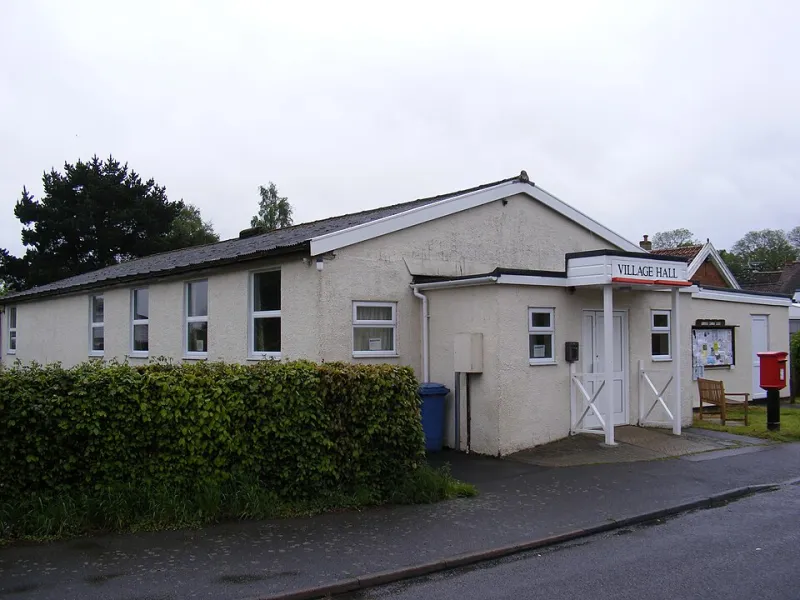
The format travels. You can find a lovely example outside a hardware shop in Hebden Bridge, where the pins are almost as plentiful as the brass fittings. A bakery in Whitstable might have a board by the door, covered in sea-glass jewellery ads and choir notices. In Bristol, a community fridge board can turn a corner shop into a small civic hub. In Glasgow's Southside, a laundrette board is a reliable source of room-to-rent notices and dog-walker recommendations. In Lewes, a village hall board has the confident air of a noticeboard that has seen things. In North Berwick, a greengrocer's window does the same job with better handwriting.
The point is not to make a pilgrimage. The point is to notice the board on your own street. The corner shop noticeboard is a local format, not a tourist attraction. It works because it is unglamorous. The best ones are slightly overcrowded and smell faintly of cardboard.
How to use one without being weird
Start by reading. Spend ninety seconds at the board before you pin anything. You will learn what the street cares about. Ask the shopkeeper if there is a rule about where to pin. There usually is not, but asking is a conversation. Use the three-line rule: what it is, where it is, when it happens. Write legibly. Use tear-off tabs if you want a reply. Do not pin over the lost cat. If you take a tab, follow up. If you cannot follow up, take the tab down. The board is a social contract with a cork backing.
The real trick is to use the board as an excuse to talk. 'Is that your dog on the poster?' is a better opener than most icebreakers. 'Do you know if the yoga class is any good?' works too. The noticeboard gives you a reason to speak to the person behind the counter, and that is half the battle. It is a low-stakes prompt in a world that has made meeting people feel strangely high-stakes.
Why it still beats the feed
Algorithmic feeds are designed to keep you scrolling. A noticeboard is designed to get you out of the shop and into a hall, a park or someone's front room. It is slow. It is local. It is edited by a human with a drawing pin and a limited amount of patience. In 2026, that feels less like nostalgia and more like a civic service.
So next time you buy a pint of milk, give the board a moment. Read the lost cat poster. Take a tab for the choir. Pin your own ad for a spare desk. The corner shop noticeboard is Britain's last great social network, and it does not even need a password. It just needs you to look up.