The Fiver Circuit: Turning Your High Street Into a Charity-Shop Treasure Trail in 2026
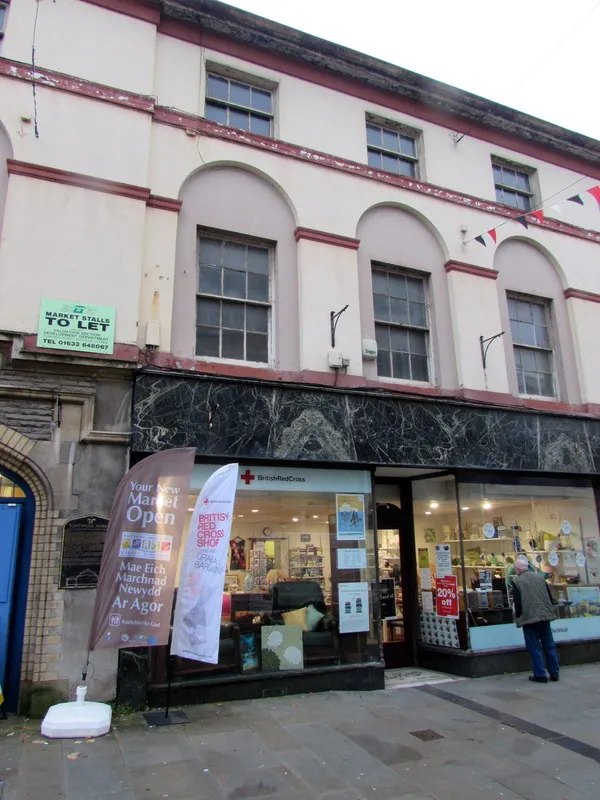
Photo: Jaggery , CC BY-SA 2.0, via Wikimedia Commons
There are two kinds of Saturday high street. One is a list of errands. The other begins with a fiver and a vague sense that somewhere between the hospice shop and the animal rescue branch there is a brass duck with your name on it.
Charity shop roulette is not about spending big. It is about paying attention. The rules are simple, the stakes are low and the rewards are the sort of stories you end up telling down the pub. Think of it as a treasure map where the X is a 50p fondue set and the pirates are volunteers with excellent anecdotes.
The rules of the fiver circuit
- Start with a £5 note. Not a card, not a contactless tap — a proper note you can feel getting lighter.
- Pick a cluster of charity shops within walking distance. Four is a good number. More than six and you are just doing steps with extra clutter.
- Spend no more than £5 in total. One item per shop is allowed, but only if you can carry it home without explaining yourself to a bus driver.
- Score each shop on the categories below. Bonus points for anything that makes a volunteer laugh.
- Do not haggle. The price is the price, and the cause is the cause.
The scorecard: print it or scribble it on a receipt
A proper scorecard makes the whole thing feel like a sport. Ours rewards curiosity over value, which is the correct way round for charity shops. You can print a copy from druzi.uk/fiver-circuit, or just draw this on the back of an old envelope:
| Category | What you are looking for | Points |
|---|---|---|
| Most mysterious kitchen gadget | A thing with a handle and no obvious purpose | 3 |
| Best volunteer anecdote | A story you could not have made up | 5 |
| Item most likely to start a conversation | Something a guest will point at and say “what is that?” | 4 |
| Best 50p spend | Small, useful and slightly smug-making | 2 |
| Best inscription in a book | A name, a date, a message to someone long gone | 3 |
| Least explainable purchase | You bought it. You cannot say why. | 5 |
Britain’s most rewarding second-hand streets
You do not need a famous postcode. You need a street with a few shops, a cafe to regroup in and enough footfall to keep the windows changing.
Eld Lane, Colchester is a tidy little run of shops where the book selection is better than it has any right to be. Start at the top, work down, and reward yourself with a coffee when you find a paperback with someone else’s holiday marginalia in it.
North Laine, Brighton is charity-shop theatre. Expect vintage scarves, baffling ceramics and volunteers who have seen it all. The fiver circuit here is less a stroll and more a contact sport, so go early.
The Underbanks, Stockport has that proper old-high-street feel, with shops tucked into corners and a decent chance of finding a useful thing you did not know you needed. The hill is part of the challenge.
Magdalen Street, Norwich is a rummager’s paradise. The shops are close together, the stock is varied and the chances of finding a commemorative mug for an event nobody remembers are pleasingly high.
Roath, Cardiff rewards a slow loop. You can drift between shops, pick up a mystery kitchen implement and still have enough left for a bun. That is a balanced Saturday.
Shawlands, Glasgow has a cheerful cluster where the chat at the till is half the point. If you leave without a book, a bit of glassware and a new opinion on the weather, you have not done it properly.
The volunteer anecdote is the real treasure
Marion, who volunteers in a Stockport shop, tells me about a man who came in looking for a “man’s brain”. After some gentle questioning it turned out he wanted a brain-shaped jelly mould for a Halloween party. “We did not have one,” she says. “But we had a rabbit mould, and he took that instead. Said it would do.”
Dev, who helps out in Cardiff, has a theory that every charity shop has one object that refuses to sell. “Ours was a ceramic fish on a stand,” he says. “It sat by the till for months. We started saying good morning to it. Then a woman bought it for her sister and we all felt a bit strange.”
These are not just anecdotes. They are the reason the fiver circuit works. You are not shopping for a lamp. You are shopping for a small slice of local life.
The unofficial noticeboard argument
Charity shops are Britain’s most underrated community noticeboards. Look past the rails and you will see flyers for choir practice, lost cats, warm hubs, school uniform swaps and a surprisingly heated campaign about a bench. The volunteers know which cafe is open on a Monday and which bus stops running after six. They are a human search engine with a till.
That is why the fiver circuit is not really about bargains. It is about treating the high street like a place where things happen, rather than a place you pass through on the way to a parcel locker.
Gloriously odd finds
A good haul should contain at least one item that requires a small explanation. Recent highlights from readers include a brass duck-shaped nutcracker, a fondue set with orange 1970s handles, a VHS called Learn to Tango, a pastry crimper with no instructions and a mug commemorating a village fete that may or may not have taken place.
The £5 limit is the important bit. It keeps the game light. You are not furnishing a house. You are collecting evidence that your high street still has a pulse, a sense of humour and a back room full of things nobody can identify.
Go on. Take a fiver. See what your street has been hiding.