The Fridge Door Is Always Open: Britain’s Community Shelves and the Art of Taking Just Enough
There’s a particular sound a community fridge makes when someone opens it: a soft suction, a clink of jars, a rustle of carrier bags. It is not the sound of a supermarket chiller aisle. It is more like a cupboard in a shared house, if everyone in the street had agreed to be sensible about the milk.
In 2026, these fridges are part of the everyday furniture of British life. You’ll find them in church halls, community centres, the back rooms of cafés and the odd high-street corner where a plug socket and a willing volunteer have come together. Some are painted cheerful colours. Some are just a domestic fridge with a laminated sign taped to the door. All of them run on the same basic idea: food that would otherwise go to waste goes to people who can use it, with no fuss and as little paperwork as possible.
First, the rules are on the door (and then they aren’t)
Most community fridges have a notice. It might say: take what you need, leave what you can, check dates, label anything homemade, no raw meat, no leftovers from your plate, no cracked eggs. The notices are useful, but the real etiquette lives in the gaps. Regulars know that the first hour after a delivery is not the moment to sweep in with a rucksack. They know that a punnet of strawberries with one soft one is still a good punnet. They know that the person hovering by the door with a bag of courgettes might need a minute, not a queue.
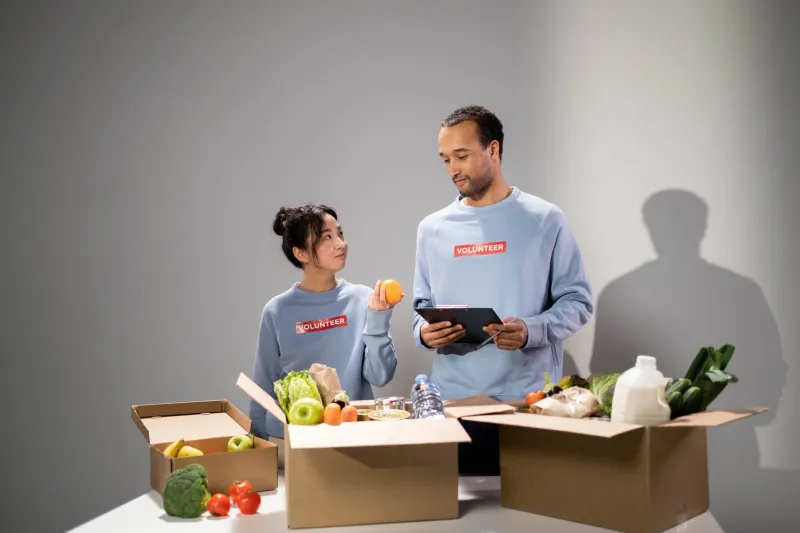
The atmosphere is usually gentle. Volunteers are not there to interrogate your circumstances. They are there to sign in a delivery, wipe a shelf, answer the same question about eggs, and quietly notice when someone hasn’t been in for a while. The fridge is not a food bank, and it is not a charity shop. It is a shared shelf with a door on it, and that door is generally open.
What to take, what to leave
The short version is: take what you will actually eat, and leave what someone else might need more. The longer version involves a bit of self-awareness. A family with a hungry teenager may take more than a single person. Someone cooking for a neighbour may take a bag of potatoes and a punnet of tomatoes. Someone who has just popped in for a look should probably not leave with the entire tray of bread rolls.
Leaving food is where things get interesting. Fresh fruit and veg are welcome. Unopened packets are welcome. A glut of apples from the garden is welcome, especially with a note saying when they were picked. What is less welcome is the half-tub of hummus that has been in your fridge since you cannot remember when, or a casserole that has already been reheated twice. The fridge is not a bin with better lighting. It is a relay race, and everyone has to pass the baton cleanly.
The cucumber question
How do you date a cucumber? Carefully, and with a label. The fridge is not looking for a formal audit. It is looking for a clue. A strip of masking tape with the date is enough. If you brought something from home, write what it is and when it was made. If you brought a bag of carrots, the bag probably already has a date. If you brought a mystery container, do everyone a favour and either label it or keep it at home.
The same goes for the senses. A cucumber that is merely soft is not a crisis. A cucumber that has gone liquid in its bag is not a gift. Use-by dates matter, especially on meat, dairy and ready meals. Best-before dates are more of a suggestion, but they are not a dare. If you wouldn’t eat it, don’t leave it for someone else to make that decision.
More than a shelf
Here is the bit that surprises people: the fridge is often the most social square foot in the building. There are recipe swaps pinned to the noticeboard. There are volunteers who know that the woman who comes on Tuesdays likes the seeded bread. There are quiet check-ins that happen while someone is deciding between two nearly identical cabbages. In a year when plenty of us are trying to save a few quid and waste a bit less, the fridge does both. But it also does something harder to put on a spreadsheet: it gives people a reason to say hello.
You see it in the small rituals. The regular who brings a bag of apples from the allotment. The teen who drops in after college and leaves a note saying thanks. The volunteer who puts a chair by the door because someone might need to sit down. The fridge is not a solution to every problem. It is a shelf, a plug and a group of people who have decided to trust each other with the small stuff.
How to be a good fridge neighbour
Start small. Read the door. Ask a volunteer if you are unsure. Take only what you will use. Label what you bring. If you have a glut, bring it in a box with a date and a cheerful note. If you are taking something that needs cooking, take a recipe card too. If you see someone looking lost, point them towards the tea urn.
And if you are the sort of person who feels awkward about taking free food, join the club. The fridge is not keeping score. It is just a cupboard with a door that opens both ways. Today you might leave a bag of beetroot. Tomorrow you might take a loaf. Next week you might find yourself explaining to a stranger that the yellow courgettes are best sliced and fried with a bit of garlic. That, in its quiet way, is the whole point.
In 2026, Britain’s community fridges are not a novelty. They are a habit. A good one, mostly. And like any good habit, they work best when everyone takes just enough and leaves the door as they found it: open.