The Seven O'Clock Shuffle: Why Wheelie Bins Are Britain's Most Reliable Icebreaker
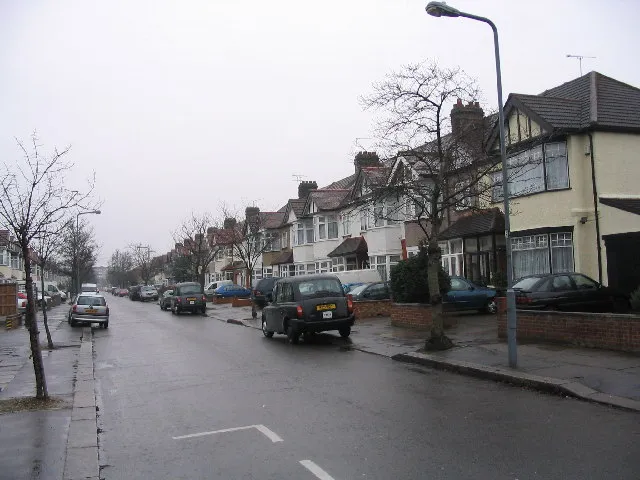
Photo: Andrew Dann, CC BY-SA 2.0, via Wikimedia Commons
At 6:58 on a Tuesday morning, a street in Britain performs its most reliable piece of theatre. A curtain twitches. A door opens. A wheelie bin emerges, squeaking like a shopping trolley with opinions. And somewhere between the clatter of the lid and the first 'morning' of the day, something quietly social happens.
Bin day is not glamorous. It does not have a hashtag, a dress code or a guest list. But in 2026, when so much of neighbourhood life has been tidied into apps and group chats, the weekly putting-out of the rubbish remains stubbornly, gloriously human. It is the block party that never got the bunting budget, and it is all the better for it.
The 7am Nod and the Language of the Kerb
Every street has its own dialect. There is the early putter-outer, who has the bin at the kerb before the birds have finished their first meeting. There is the last-minute sprinter, jogging down the path in a dressing gown with one slipper and a look of pure panic. And there is the night-before strategist, who wheels the bin out at dusk and then spends the evening wondering if a fox will knock it over.
Then comes the nod. It is not quite a conversation. It is a tiny acknowledgement that says: I see you, I know it is bin day, and I am not going to make this weird. The nod has variations. In cul-de-sacs it comes with a small shuffle and a comment about the weather. On terraced streets it is quicker, delivered over the shoulder while wrestling a lid closed. Outside flats, it is often a silent agreement between two people in a communal bin store, both pretending they are not checking who put what where.
None of this is organised. That is the point. Bin day creates a shared deadline without a committee, and a shared topic without an agenda. You do not need to remember anyone's name to say 'bin day, isn't it' while both of you stare at a wheelie bin that is clearly not going to close.
The Rogue Extra Bag Dilemma
Then comes the moral test. You have one bin, half-full, and a bag that will not fit. Do you balance it on top? Tuck it behind? Drive it to the tip like a responsible adult? Or do you do the thing that every street recognises and no council leaflet quite captures: the rogue extra bag.
The rogue extra bag is a public confession. It says: I have failed to compress my life into the correct receptacle, and I am hoping the bin lorry will be in a forgiving mood. There are unwritten rules, of course. One extra bag beside the bin is generally accepted as a cry for help. Three extra bags is taking liberties. A bag that has been wedged under the lid like a shameful sandwich is a conversation starter, even if nobody actually starts it.
In 2026, council rules vary from place to place, and the bin police are real. But the social law is older than any recycling calendar. The neighbour who always has room in their bin is a local treasure. The neighbour who puts out a note saying 'sorry to be cheeky, could I pop one bag in?' is not weak; they are keeping the street's moral economy alive. And the neighbour who silently moves your rogue bag into their own bin on a dark Tuesday night is the closest thing Britain has to a quiet hero.
Bringing the Bin In: The Quiet Favour Economy
Perhaps the most moving thing about bin day is what happens after the lorry has gone. You come home to find your wheelie bin has been brought in. No card. No fanfare. Just a bin, sitting neatly by the wall, as if it walked there itself.
This is the quiet favour economy in action. You bring mine in when I am at work; I bring yours in when you are away. Nobody keeps a spreadsheet, but everybody knows. It is a small act of trust, and it says something bigger: I noticed your bin, which means I noticed you. In a country where we are famously good at not making a fuss, bringing in a neighbour's bin is a form of affection.
The system has risks. There is the wrong-bin incident, when someone wheels in number 14's bin and leaves number 16's stranded at the kerb. There is the overzealous helper who brings the bin in before it has been emptied, creating a standoff with the lorry driver. And there is the holiday bin watch, when a street quietly coordinates who will bring whose bin in, usually through a combination of nods, notes and one person who knows everything.
In 2026, with more of us working from home on odd days and fewer of us on the same commute, these tiny exchanges matter. They are the low-effort glue of a street. No one is asking you to organise a street party. Just bring the bin in. Maybe leave a note. Maybe not. The bin knows.
Why a Wheelie Bin Beats a WhatsApp Group
Neighbourhood apps have their place. They can tell you about a lost cat, a broken streetlight or a suspicious van. But they require intention. You have to open the app, read the thread, decide whether to reply, and then worry that your reply sounded too keen. Bin day requires none of that. It is recurring, low-stakes and face-to-face, which is a rare combination in 2026.
It is community as a habit rather than a project. You do not need a facilitator or an icebreaker game. The bin is the icebreaker. It is already there, smelling faintly of last week's lasagne, waiting to be judged. The conversation can last four seconds or four minutes. Either is fine. No one is collecting feedback forms.
That is why bin day works. It lowers the bar for being neighbourly. You do not have to be best friends. You just have to be there, on the pavement, in your slightly questionable outdoor coat, doing the same small thing as everyone else.
The Street-Level Quirks Worth Noticing
Every street has its bin characters. There is the person who labels their bin with their house number in three different places, as if it might be stolen by a rival street. There is the household with a bin so clean it looks like it has never met a bin bag. There is the bin that has been repaired with tape, string and hope, and the bin that has a small chalk drawing on the lid, courtesy of a child who clearly saw an opportunity.
Weather adds its own drama. Wind turns bin day into a slalom. Snow makes the whole street look like a low-budget Arctic expedition. Summer brings the smell, and with it the unspoken rule that you do not stand downwind of number 22's green bin. Christmas brings the bin calendar, a document so complex it requires a fridge magnet, a group chat and a minor family meeting.
And then there is the binfluencer: the neighbour who knows the collection schedule better than the council website, who posts a helpful reminder in the local Facebook group, and who is quietly delighted when someone replies 'thanks, nearly forgot'. In 2026, that is a public service.
A Small Ritual Worth Keeping
Bin day will never make a glossy advert for community spirit. It is too squeaky, too early and too closely associated with potato peelings. But it is doing the work. It gets people onto the pavement. It creates small favours. It turns strangers into the people whose bins you would definitely bring in if they went away for the weekend.
So here is to the seven o'clock shuffle. To the nod, the rogue bag and the bin that appears back by the wall like magic. In a year when we are all a bit tired of screens, the most reliable social network in Britain might just have wheels.